
ADHD Awareness
ADHD is a chronic condition that creates a range of persistent symptoms such as difficulty sustaining attention, hyperactivity and impulsive behaviour.
People who care for others deserve training that respects their time. This collection serves health and social care workers, childcare and education staff, and volunteers: safeguarding adults and children, the full Care Certificate standards, duty of care, dignity and privacy, dementia and autism awareness, safe handling of medicines, infection prevention and control, and more.
Every course is written around UK legislation and care standards, delivered fully online so shift workers can study when it suits them, and assessed with a verified certificate of completion on passing, giving you the documentation employers, CQC inspections and training matrices ask for. Try any course free before you enrol.
27 courses in Care & Education
ADHD is a chronic condition that creates a range of persistent symptoms such as difficulty sustaining attention, hyperactivity and impulsive behaviour.

This course will provide you with an understanding of what autism is and how it affects a child's daily life. It will touch on some of the typical behaviors associated with it and how to can provide effective support for those with the condition. It also discusses what happens during the diagnosis process, some of the intervention methods that can help manage the condition and suggests some simple adaptations you can make to improve a child with autism's day to day life.

This comprehensive online course equips aspiring and existing Teaching Assistants with the essential skills, knowledge, and confidence to support pupils effectively in today’s classrooms. Covering core responsibilities, supporting literacy and numeracy, adapting to individual needs, and working with pupils with SEND, the course blends practical strategies with professional insight. Ideal for newcomers, current TAs, or those seeking a career change, it builds a strong foundation for success in education.

This short course provides the learner with an in-depth knowledge and understanding on the topic of blood transfusion. The course explains why maintaining quality of blood is so important and looks at the Blood Safety and Quality Regulations 2005. It dives into the anatomy and physiology of blood products and the vital checks that must be implemented to ensure patient safety. The course then turns to the equipment required for transfusions. This course is theory only, practical training must be sought in addition to this course to perform a transfusion.

This course is intended to give you an overview of the common types and symptoms of dementia as well as going into how it can affect the brain in different ways. It also covers strategies to use with clients with dementia and dealing with challenging behaviour. The course is intended for anyone who works with or around people that may be living with dementia.

Diabetes is a serious lifelong health condition that occurs when the amount of glucose, or sugar, in the blood is too high. If left untreated, high blood glucose levels can cause serious health complications.

The course will start by defining dignity and privacy within the healthcare sector, and will explain how the two are quite often linked. It will then go on to give you a range of useful professional tips about setting up the right working relationship with your service users, and discuss some of the issues that can arise when dignity and privacy are not respected.

A duty of care is the requirement that all health and social care professionals, and organisations providing health and care services, must put the interests of service users first. This course will give you an introduction to the concept of duty of care, cover how duty of care affects your work, what to do if you come across a duty of care dilemma and where to go for support or advice along with some practical examples of duty of care situations.

End of life care should be several things, compassionate, cost effective, holistic and effective. There are usually a number of people involved in the care of people at the end of their life and it can be a difficult process to be part of. This course will provide you with information about what to expect, how to handle some of the emotions associated with this time, and working with the other professionals involved in end of life care.

This course will give you an overview of epilepsy. It lists the methods of diagnosis, what a seizure is and how the brain can be affected. It will introduce some possible seizure triggers and describe what to do when someone has a seizure. It will also discuss some of the treatments offered to people with epilepsy and provide practical advice on what you can do if you witness someone having a seizure.

This course provides an introduction to the concept of handling information in care settings. At the end of the course you will understand the need for secure handling of information and you will know how to access support if you have any questions regarding access to information. The course will cover the important role confidentiality plays in developing trusting relationships with the people in your care and it will define key terms such as 'need to know' and 'consent'.
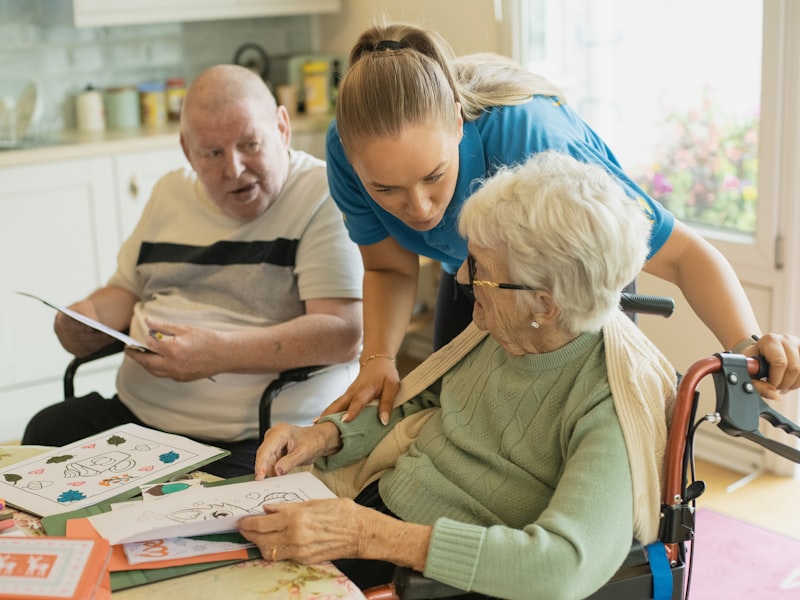
Care Homes are different to other workplaces as they are homes as well as places of work. They should be places where the residents are respected, and where everyone’s health and safety is managed effectively. To achieve this, everyone involved must understand their responsibilities.

Good infection control protects patients, service users, colleagues and you, and poor infection control costs lives. This course defines infection prevention and control, explains the legislation that applies, and works through the science made practical: types of microorganism, how bacteria spread, the chain of infection and how to break it.

This course aims to provide a gentle introduction to the expectations of the Early Years Foundation Stage and it can also act as a refresher for those wanting to update their knowledge. It will introduce you to some of the key documents and legislation that relate to Early Years providers, the process for registering with Ofsted and the various policies and procedures that need to be in place. It also covers learning and development requirements, how to observe and assess the progress of children in your care and the safeguarding and welfare requirements laid out in the EYFS Framework.

This micro course looks at key definitions of Infection prevention and control and the impact of infections. It explains why infection control is so important and how it impacts patients, staff and employees. The course then goes on to look at the Legislation that covers Infection prevention and best practices. This includes the Health and Safety at Work act, RIDDOR and COSHH.

This Introduction to the Safe Handling of Medicines course will start by explaining the key terminology used when handling medicines. It then goes into detail about the roles of the people involved, some of the different groups of medicines, providing different levels of support to patients, infection control, label interpretation and much more.

This course will start by giving you an overview of some of the common types and causes of learning disabilities and how they affect people. It will touch on how a person centred approach to care will get the best results and look at how management must perform, and at the needs of the individual. I will also discuss overcoming the stigma attached to learning disabilities and much more.

This course describes in detail the many facets and procedures of the Mental Capacity Act. This includes who the act affects, when it applies, how to assess capacity and the procedures that can be put in place in the home or workplace to ensure best practices are followed and people are treated fairly at all times.

The course outlines the dangers and legislation that applies to moving and handling people as well as showing a range of techniques and equipment that can be used. The course also highlights the importance of proper risk assessments and care plans.

The aim of this course is to equip you with the theoretical knowledge, skills and confidence you need to deal with paediatric first aid situations. It covers all of the key topics including: emergency planning, assessing a situation, basic Life Support, CPR, shock, fractures, bleeding and a range of other minor illness and injuries.

This course will give you an understanding of person centred approaches for care and support, and how to implement a person-centred approach in an adult social care setting. It starts by explaining what we mean by person centred care and where this term originated. It then goes on to analyse the values represented by person centred care and explains why care should be as much as possible tailored to each service user. Finally it will give you an overview of care plans, daily reports, the importance of obtaining consent and much more.

If your work or volunteering brings you into contact with adults who need care and support, you have a duty to help protect them from abuse and neglect while respecting their choices and independence. This course explains the types of abuse vulnerable adults can face, how to spot the signs, the safeguarding principles established by the Care Act, and what to do when you have a concern.

Everyone who works with or around children shares responsibility for keeping them safe. This course gives you the knowledge to act on that responsibility: the forms abuse and neglect can take, the physical and behavioural signs that should raise concern, the legislation that underpins child protection in the UK, and the right way to record and report a concern when something does not feel right.

In this course you'll learn about the prevalence and different types of 'sharps litter' that can be found in the UK.

Strokes are the fourth single leading cause of death in the UK, as well as a leading cause of disability. Being aware of the causes and symptoms will help you act fast in a situation where you suspect someone is having a stroke and provide them with the best chance of receiving the treatment they need and minimising the long term impact of the condition.

The Care Certificate is the nationally agreed benchmark for new health and social care support workers in England, and sets out the standards employers expect staff to meet before working unsupervised. This comprehensive programme works through all fifteen standards, from duty of care, communication and person-centred working to safeguarding, infection prevention and health and safety.

This course will define social care and talk about why people choose it as a career and what its goals and objectives are. It will also cover job descriptions, person centred care, understanding code of practices and the basics of government legislation. Finally it will touch on dealing with conflicts at work.