
Abrasive Wheels
This course is aimed at anyone who uses abrasive wheels, or employs people who use abrasive wheels as part of their work. It covers different types of abrasive wheel, safety in their use and how to identify the type of wheel.
Every UK employer has a legal duty to provide health and safety training, and online delivery is the most practical way to reach a whole workforce without taking teams off the job for a day. Our health and safety library covers the core risks found in almost every workplace, from fire safety and manual handling to slips, trips and display screen equipment, alongside specialist subjects such as asbestos awareness, COSHH, working at height, confined spaces and construction safety.
Each course is accredited, self-paced and assessed online, with a verified certificate of completion issued the moment you pass. Certificates give employers documented evidence of training for inspections, audits and client requirements. Every course offers a free trial, so you can judge the content before you commit.
52 courses in Health & Safety
This course is aimed at anyone who uses abrasive wheels, or employs people who use abrasive wheels as part of their work. It covers different types of abrasive wheel, safety in their use and how to identify the type of wheel.
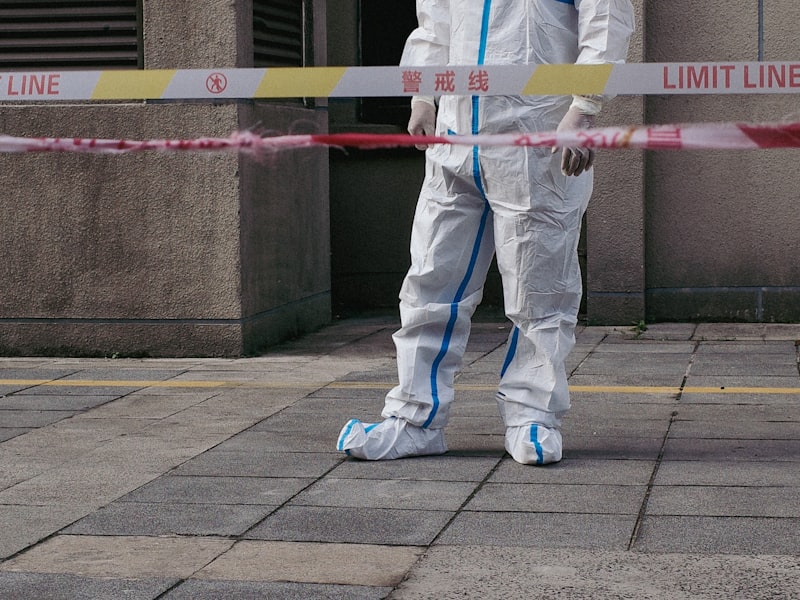
Asbestos remains hidden in hundreds of thousands of UK buildings constructed before the year 2000, and disturbing it releases fibres that can cause fatal disease decades later. This awareness course teaches you to recognise the materials that may contain asbestos, understand where it is commonly found in buildings, and know exactly what to do, and what never to do, if you think you have encountered it.

As well as informing you about the risks of working with asbestos, the course will deliver a lot more information about: Recognising asbestos, where it's used, minimising the risks and the legislation about working with asbestos.

As well as informing you about the risks of working with asbestos, the course will deliver a lot more information about: Recognising asbestos, where it's used, minimising the risks and the legislation about working with asbestos. This course is a variation on the Asbestos Awareness course that contains specific information for designers and architects.

This course is aimed at companies who employ users of display screen equipment, or DSE as it's often called and is intended to be completed by those who will be assessing the DSE set ups of employees. DSE is a term that covers a wide range of equipment. If equipment like this is not set up correctly, users are at increased risk from certain disorders.
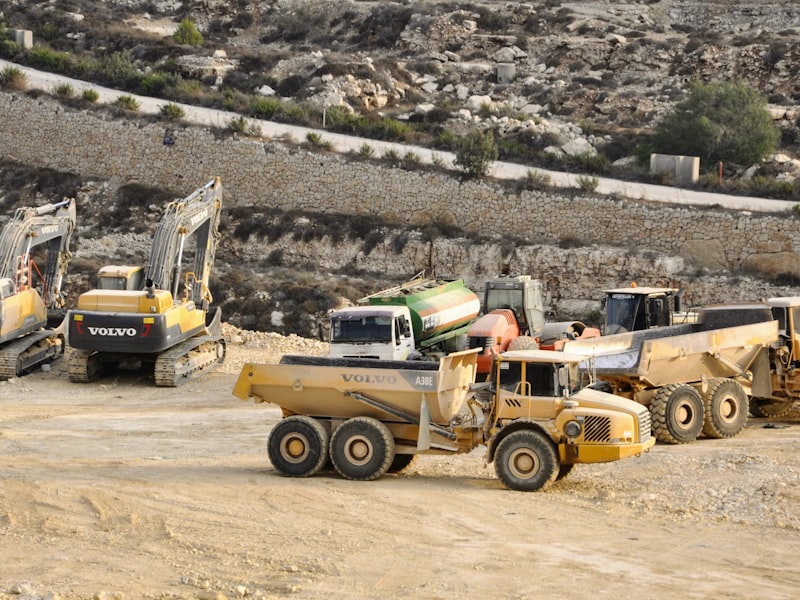
The course will start by identifying the three main categories of reversing accidents and the crucial role of the banksman.You’ll learn about the role of management in preventing these types of accidents particularly using Safe systems of work and PPE. You’ll get an overview of legislation that applies to banksman activities and also the rules that apply to drivers so they can work safely together. Finally the course covers vehicle safety checks and the hand signals used by banksmen.

Fire is one of the few workplace risks that threatens every employee, in every industry. This one-hour online course gives your whole team the grounding they need: how fires start and spread, the everyday habits that prevent them, what to do the moment an alarm sounds, and when it is, and is not, appropriate to pick up an extinguisher.
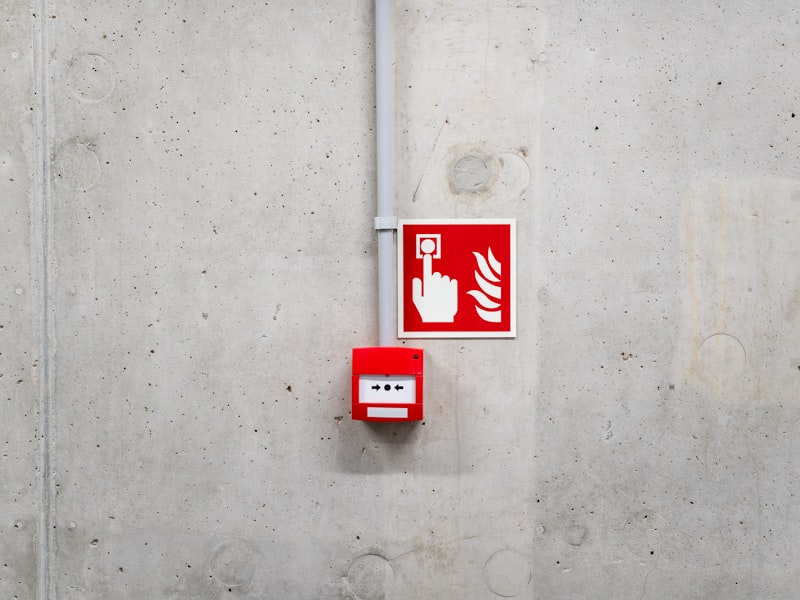
This course explains, in brief, why fires occur and what actions you must take to help prevent them starting and the actions you must take when they do. By completing this course you will be making your workplace a safer environment. This course is a variation on the Basic Fire Awareness course that contains information that is specific to employees of care and residential homes.

This course explains the background to Legionella, the potential risks associated with water systems and how these can be prevented or controlled. It helps you to understand the risk that Legionella poses and helps you develop the systems and working practices you need to stay ahead. It gives you enough knowledge to get a Legionella control programme off the ground yourself, or make confident, informed choices when commissioning others to take this on for you.

This course defines behavioural safety and explains the origins of the concept. It covers how it can be implemented in the workplace and some of the potential benefits. It includes analysis of some examples of 'at risk behaviours' and some examples of ways you can measure how well your organisation is doing when it comes to safety. Finally it touches on some of the key laws regarding health and safety in the workplace and how to ensure positive workforce attitudes.
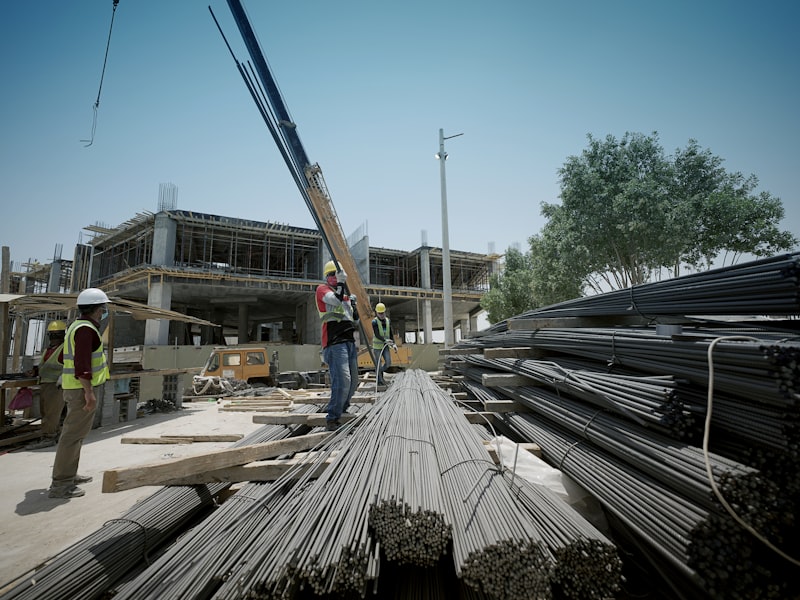
This awareness course covers the core concepts of the regulations and details the various roles that are required for a construction project along with the key documents that need to be produced. It starts with an introduction to CDM, then covers some of the parameters that need to be checked when a project is being planned. It finishes by detailing a number of example projects that illustrate how the regulations can be applied.

Cleaning products, dusts, fumes, solvents: hazardous substances are present in far more workplaces than people realise, and the Control of Substances Hazardous to Health (COSHH) Regulations apply wherever they are. This course explains how to identify hazardous substances, read safety data, assess and control exposure risks, and work safely where such substances are present.

This course explores the risk to workers caused by the Covid-19 virus and covers actions that can be taken by employers and employees to protect themselves and each other as they return to work. The content of this course is based on the latest information from the UK government and the NHS.

If you spend your working day at a screen, whether a desktop, laptop, tablet or terminal, the way your workstation is set up directly affects your health. This course explains the risks of poorly arranged display screen equipment, from musculoskeletal problems to eye strain, and shows you how to set up your screen, seating, lighting and breaks correctly.

This course will start by covering the many benefits electricity brings to society, as well as its key components voltage, current and resistance. It will explain the two main types of electricity, cover UK accident and death statistics, and describe a simple way of remembering the electrical hazards. It then goes on to provide basic instructions about how you could safely help someone you suspect has received an electric shock.
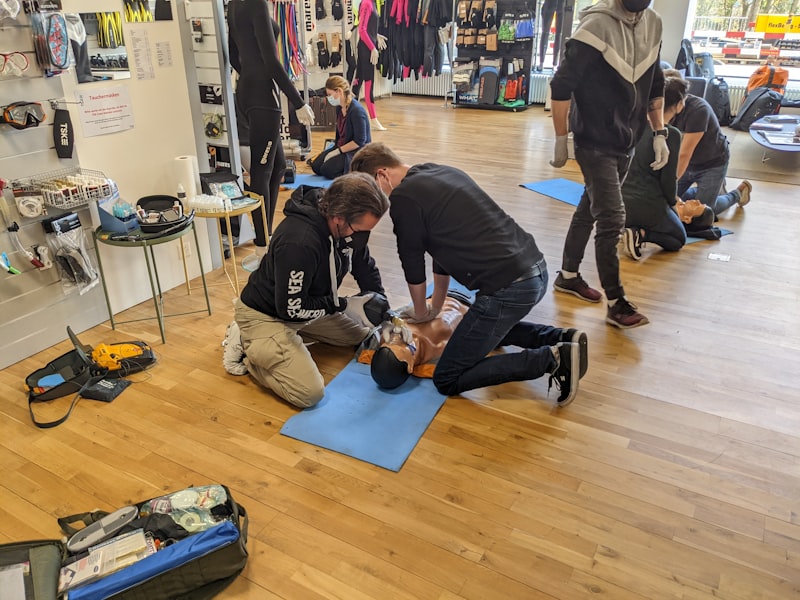
First aid skills fade, which is why the HSE recommends annual refresher training for qualified first aiders between their full three-yearly requalifications. This online refresher revisits the situations a workplace first aider is most likely to face: assessing an incident scene safely, giving accurate information to the emergency services, and delivering the immediate care that improves a casualty's chances before help arrives.
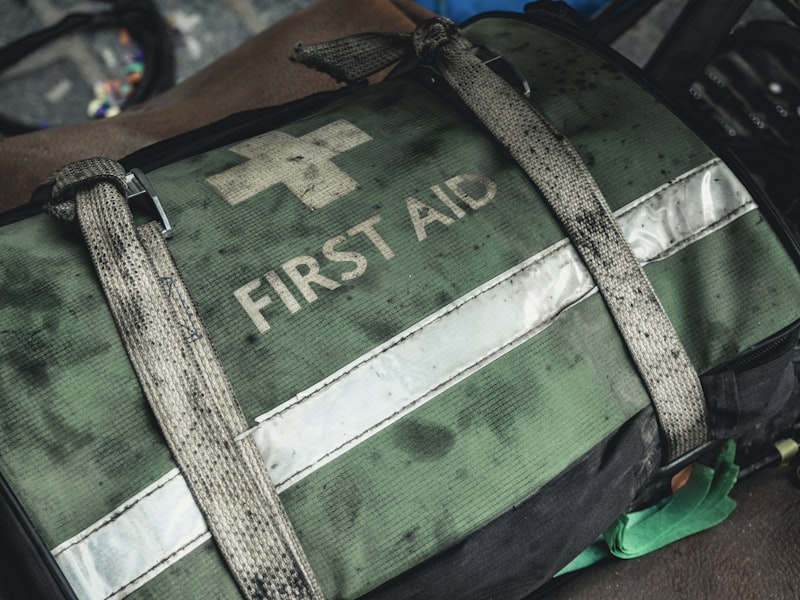
What is Emergency First Aid? Well it’s exactly that, the first aid to be offered if an incident occurs. Not many of us are confronted with scenes of blood and gore in our everyday lives, so usually first aid could be as simple as sticking a plaster on a small cut.

This online course aims to increase your awareness of major environmental issues and provide an introduction to environmental management systems. It starts by defining important terms and identifying key issues the world is facing.You’ll learn about environmental impacts, and the course will look at the issue of global climate change. There’s also information on environmental laws and corporate and personal responsibilities.The course covers waste management, water resource management and oil storage.
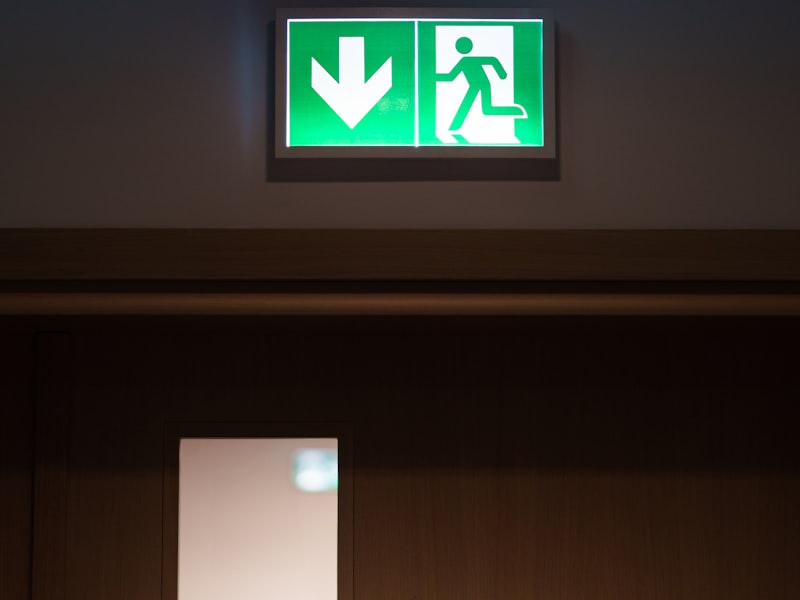
This short course provides you with an introduction to fire doors in the workplace and why they play an important part in fire safety planning. The course establishes exactly what a fire door is, exactly why fire doors are important and how they should be used correctly to ensure the safety of people and property. Finally the course explores the practical steps that can be taken to ensure your workplace fire doors are up to standard.
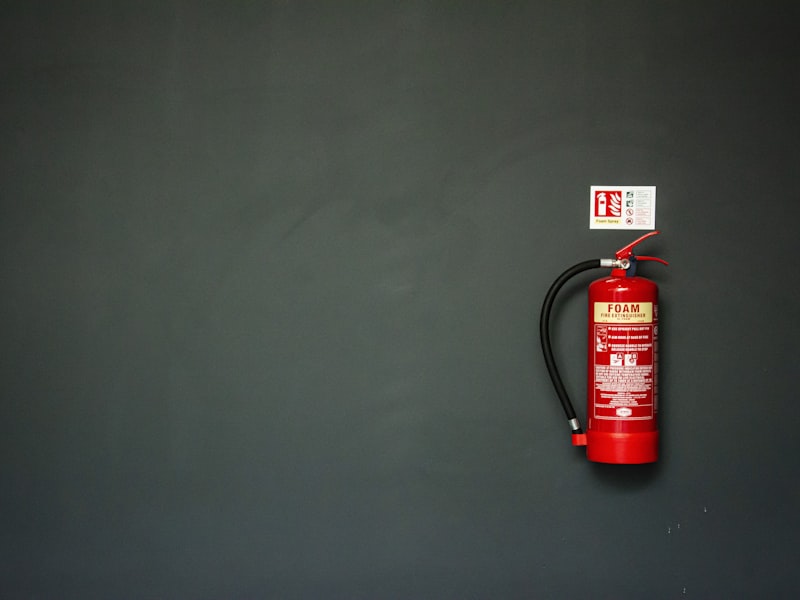
This course will identify the different types of fire extinguishers that might be installed within your workplace. It will discuss which ones should be used for different types of fires and how you can assess the risk factor involved upon finding a fire in your workplace. At the end of the final module you will be presented with a simulation that will test what you've learnt.
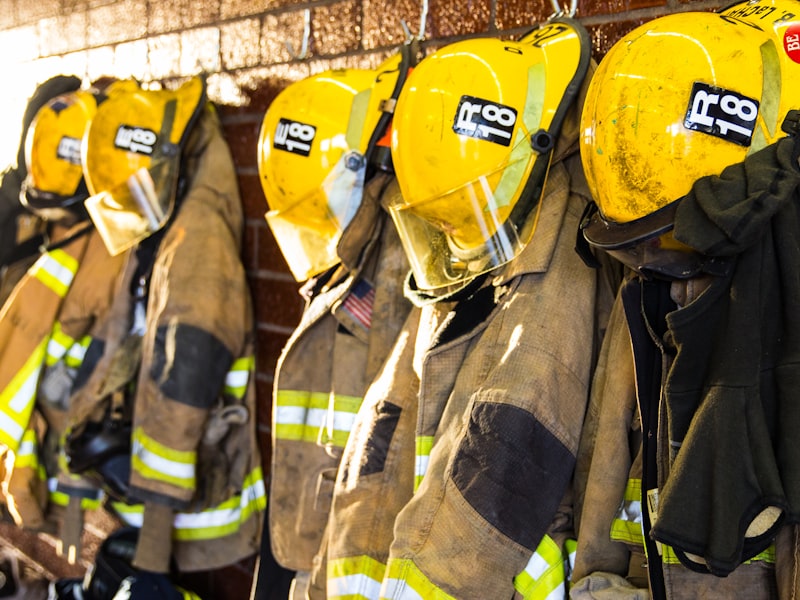
The main outcome of this training course is to provide you with the knowledge to carry out the functions of a fire marshal. - Please note, this course also contains all of the content in the Basic Fire Awareness and Fire Extinguisher courses.
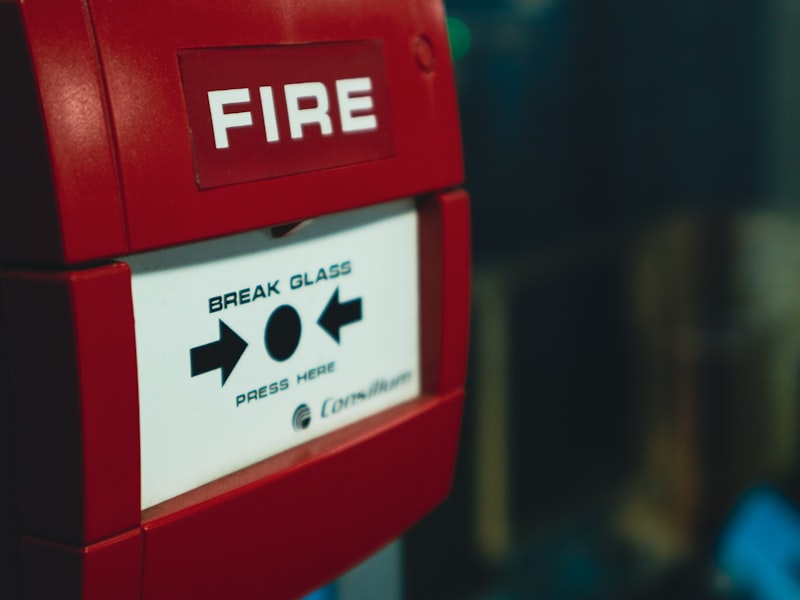
The main outcome of this training course is to provide you with the knowledge to carry out the functions of a fire marshal. - Please note, this course also contains all of the content in the Basic Fire Awareness and Fire Extinguisher courses. This course is a variation on the Fire Marshal course that contains information that is specific to employees of care and residential homes.
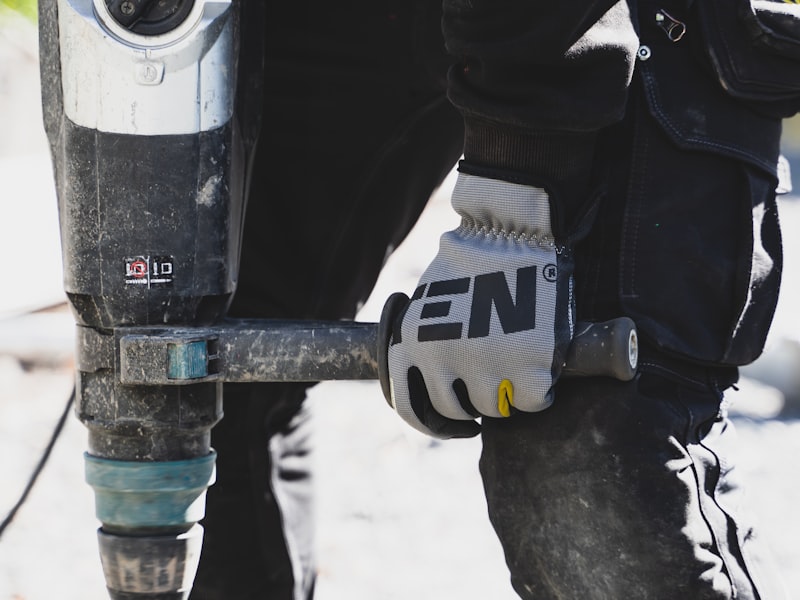
This short course provides you with an introduction to Hand Arm Vibration Syndrome, otherwise known as HAVS. It will provide you with details of the symptoms and consequences of the disorder along with an overview of the equipment and work related situations most likely to pose a risk of HAVS. Following this the course covers the responsibilities and laws in regards to HAVS for employees and employers.

This short course provides you with an introduction to hot work, the hazards associated with it and controls that can be put in place to minimise these hazards. It gives information on what is meant by hot works and discusses the severity of not using the correct precautions in the workplace to minimise the risks associated with hot works. Finally the course explores the controls that can be put in place to make a safer environment for employers and employees.

This micro course looks at Climate change, what causes it and what’s being done to reduce its impact on the planet. The course then goes on to talk about the different sources and types of pollution including acid rain, noise and light.

This course acts as an introduction to personal safety for lone workers and applies to those that work alone within business premises, mobile workers and homeworkers.

At the end of this course, candidates will have an understanding of what a risk assessment is and how to complete one. To achieve this the course will define important terms, provide some basic background information to explain how important risk assessments are and discuss some of the legislation that applies. It will then go on to provide practical advice on how to identify hazards and analyse risk before finishing off by explaining the responsibilities of both employers and employees with regards to risk assessment.

This short course provides a detailed exploration into ladder safety.
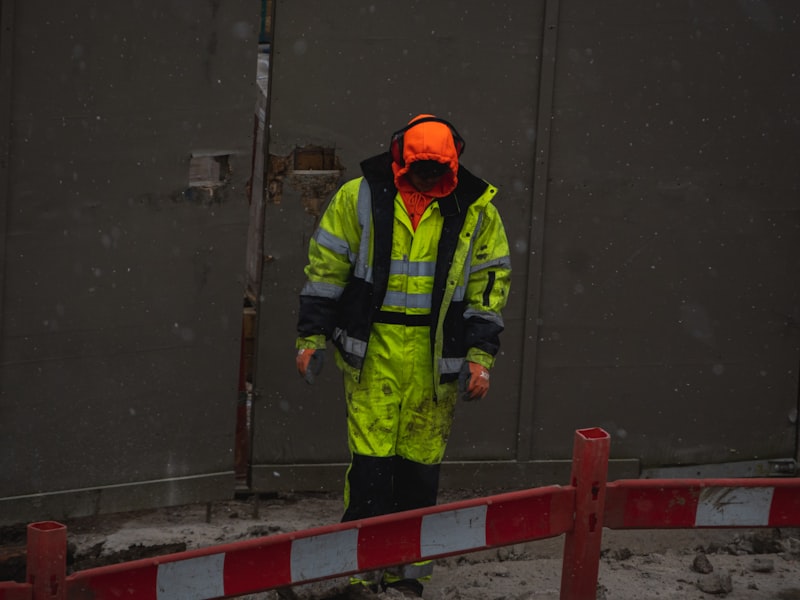
Health & Safety is a significant concern. Everyone has an essential role to play in reducing deaths and accidents at work. Failure to meet the requirements of Health and Safety regulations carries serious consequences so understanding these requirements is vital.

This course takes you through Working Safely, with specific additional content for workers within the catering sector. This section works through multiple topics including, first aid procedures, equipment safety, knife safety and many more to ensure that you understand the importance of Working Safely. The knowledge you gain from the course will ensure that you are complying with safety guidelines and keeping not only yourself but also your colleagues safe, in a commercial catering environment.

This course takes you through Working Safely, with specific additional content for workers within the retail sector. This section works through topics which focus on the four key hazards faced within a retail environment, Slips and Trips, Manual Handling, Transport and Violence.

This course takes you through Working Safely, with specific additional content for workers who work within a warehouse setting. This section works through multiple topics which focus specifically on safety within a warehouse environment and discusses the five main causes of accidents, those being Slips and Trips, Manual Handling, Work at Height, Moving or Falling Objects and Vehicles in and around the Warehouse and how you can prevent these types of accidents.

This short course provides you with an introduction to the Lifting Operations and Lifting Equipment Regulations 1998, otherwise known as LOLER. The course explains the purpose of LOLER and equipment covered by the legislation. It explores why it is so important and what the law is regarding it. It finishes by covering what the regulations require of your organisation to enable the protection of workers.

This short course provides you with an overview of the lock out / tag out process.It starts by describing what a lock out / tag out system is, detailing its purpose, and what it involves.The course then moves on to the types of hazard exposures that might require lock out / tag out, and follows this with a look at the laws associated with lock out / tag out, and the responsibilities that you, and your employer, have under these regulations. Finally, it sets out a six-step process you need to follow to ensure a safe lock out / tag out.

This course will start by introducing the learning outcomes and role of the lockdown officer, then discuss some of the likely reasons for a lockdown, go over some of the steps you can take to prepare your school for lockdown as well as what to do in the event of a lockdown taking place.
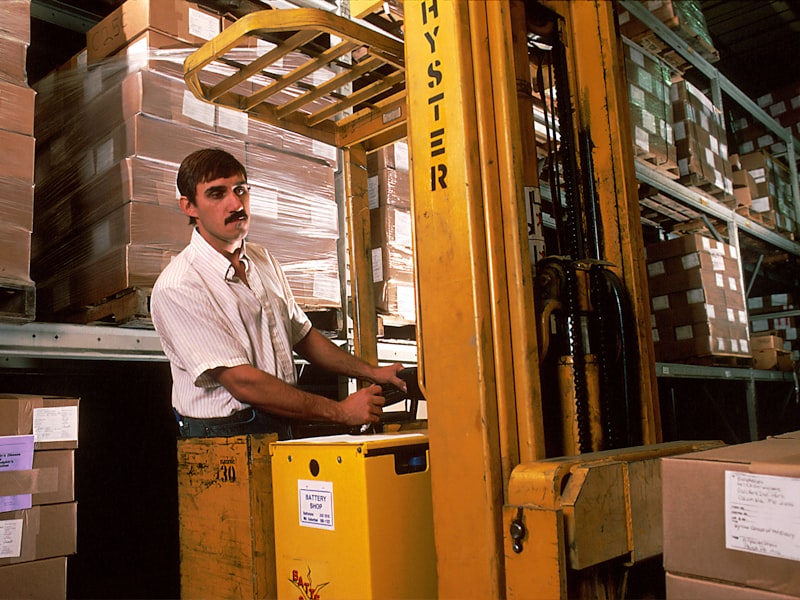
Poor lifting and carrying technique remains one of the most common causes of workplace injury in the UK, and back injuries picked up at work can last a lifetime. This course explains what counts as manual handling, what the Manual Handling Operations Regulations require of employers and employees, and, most importantly, how to move loads in a way that protects your body.

This course outlines exactly what constitutes manual handling and covers the regulations and legislation that apply to manual handling tasks. It then goes on to cover safe handling techniques and how to develop good habits in relation to manual handling. It finishes off by introducing some practical solutions and the use of mechanical aids.Important note: Please note that this is an awareness course only, if your duties include manual handling you will also need further practical training, you can get in touch with us to arrange this.

This course will show you how dangerous noise can be in the workplace, and the main safety issues you should be aware of. It will take you through some of the simple science, the main laws that apply and introduce you to noise level limits. It also covers some of the specific health risks and how to avoid them by producing risk assessments, action plans and through the provision of appropriate Personal Protective Equipment.

This course will show how wearing PPE plays a crucial role in preventing and reducing fatalities, injuries and diseases at work. It includes details of a wide range of PPE options, examines the legislation and regulations and also covers the role risk assessment plays in the selection and use of PPE. The course concludes with advice on how to use, fit and wear PPE and its physical and theoretical limitations.

This short course provides you with an introduction to PAT testing and its purpose. It starts by explaining what PAT testing is and lists some examples of items that can be PAT tested. It describes why PAT testing is so important and provides a brief look at the duties placed on employers and employees. The course touches on what is required by law and finally covers maintenance record keeping and labelling requirements.

This course will start by looking at some examples and statistics which highlight the seriousness and extent of aggressive pupil behaviour, it will then go on to explain how you can identify the stages of aggression and provide some tips on how you could de-escalate a pupil before they lash out. It also looks at where the law stands on this subject and finally best practice in theory if you ever do need to restrain a pupil.
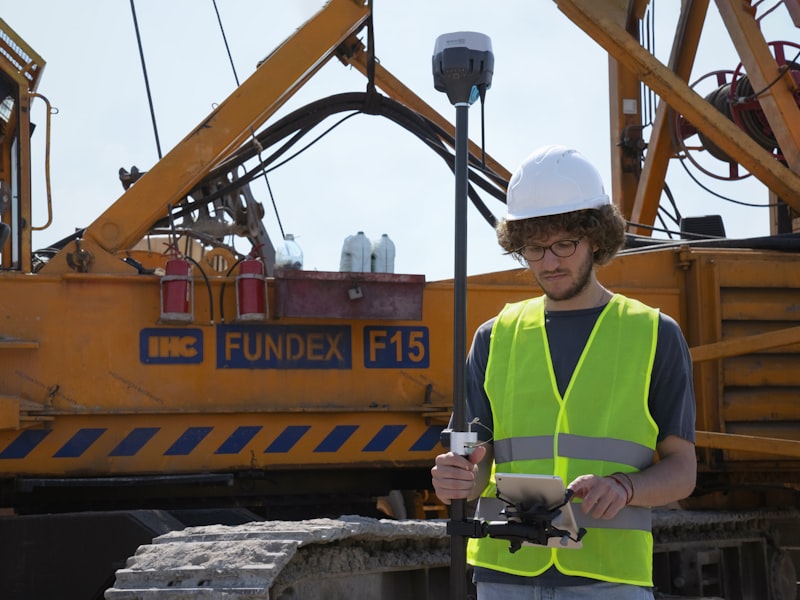
This course is for candidates who have completed their Level 1 Health and Safety in a Construction Environment course and want to prepare for the touch screen test. The course reviews the key learning objectives of the Level 1 course and concludes with a 50 question test that has been produced in the style of the touch screen test.

This short course provides you with an introduction to the Provision and Use of Work Equipment Regulations, otherwise known as PUWER. You will learn about the types of equipment that fall under this legislation along with the common hazards, equipment inspections and maintenance.

This course provides you with an introduction to the Reporting of Injuries, Diseases and Dangerous Occurrences Regulations 2013, otherwise known as RIDDOR. It explains what it’s purpose is and discusses the different injuries, diseases and dangerous occurrences that are covered or exempt under the legislation. Finally it shows you how to complete and submit a RIDDOR report and the law pertaining it.

This course will introduce you to some of the statistics relating to slips, trips and falls and dispel some of the myths surrounding them. It also touches on the law as it relates to slips, trips and falls. It contains real examples of where things have gone wrong and some practical steps that could have been taken to prevent these incidents. The course also covers some of the straightforward changes that can be made in most businesses to significantly reduce the risk of a slip, trip or fall incident occurring.
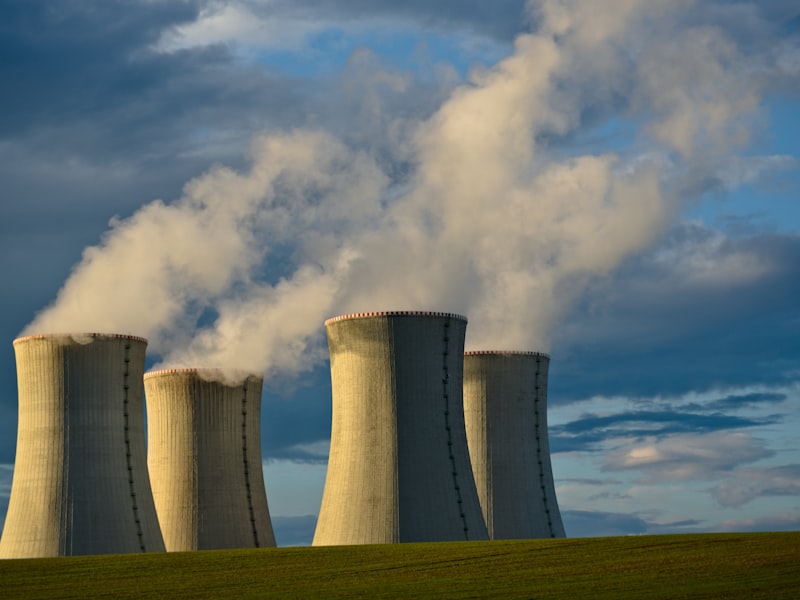
This course offers an easy to understand introduction to the language commonly used in the Nuclear industry. The course starts with some key nuclear terminology and defines the meaning behind it. It explores a nuclear plant and covers the technology and systems that keep it safe before concluding with a look at the 3p’s that power the industry, those being people, places and process.
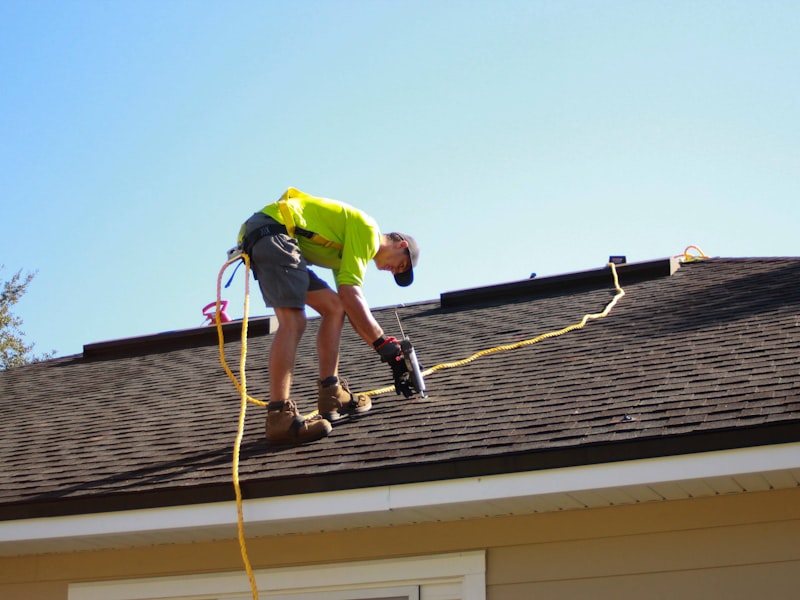
Falls from height remain the single biggest cause of workplace deaths in the UK. This course is for anyone who works at height or employs people who do: it defines what legally counts as work at height, explains the hierarchy of controls the regulations require, and shows how to assess and reduce the risks before anyone leaves the ground.

This course will cover the legislation associated with working in confined spaces. What constitutes a confined space, the potential hazards, safe operating procedures, and emergency procedures and rescue.Important note: This is an awareness course only, designed for people who need to be aware of the hazards and risks of confined space working but are not required to enter a confined space. If you are required to perform any work activity in, or in the proximity of, a confined space then you will also need to have an 'approved' standard of practical training at the 'appropriate' level.

Working safely is in the interest and concern of all staff, both employers and employees. Health and safety is one of the few areas where the law places specific duties specifically on employees so a knowledge of where this applies and how to ensure that it is adhered to is vital to protect individuals and businesses.

This course is an introduction to the private security industry, and the main services it covers. It discusses the body which regulates the industry, highlights the standards of behaviour expected from security operatives, and the law as it relates to the industry.

At the end of this course you will have an understanding of health and safety legislation and you'll be able to list common causes of accidents.

This course introduces the concept of a workshop and the regulations that ensure a safe environment. It covers essential risk assessment measures to protect people and property, and details the safety rules you need to follow before, during, and after work.